
How Often Should You Use a Scalp Scrub? A Frequency Guide for Every Hair Type
You already know what a scalp scrub does. You've tried one, you liked it, and now you're wondering how often you should actually reach for it. Once a week? Twice? Every wash day? The answer depends on your hair type, your scalp's behaviour, and how much product you layer on between washes — and getting it wrong in either direction will show up fast.
Over-exfoliating leaves your scalp tight, reactive, and oddly greasy (your sebaceous glands compensate). Under-exfoliating means buildup accumulates at the follicle, which dulls shine, weighs hair down, and blunts the effect of every treatment you apply on top. The sweet spot exists — you just need to dial it in for your specific situation.
Why Scalp Scrub Frequency Matters More Than Which Formula You Choose
Most people spend their energy picking the right scrub — physical vs. chemical, fine granules vs. coarse, medicated vs. botanical. That matters, but it matters less than how often you use it. A gentle scrub used four times a week on a dry, sensitive scalp will cause more damage than an assertive one used every ten days.
Think of scalp exfoliation the way you'd think about a facial exfoliant. Dermatologists will tell you that even mild AHA formulas can break down the skin barrier with overuse. The scalp is skin, and its barrier is just as vulnerable — arguably more so, because it's covered in hair that traps product and heat. Frequency is your first variable to lock in before you fine-tune anything else.
The good news: once you know your cadence, it's easy to maintain. This guide gives you a starting point for your hair type and tells you exactly what to watch for once you begin.
How Often to Scalp Scrub by Hair Type: Fine, Thick, Curly, and Colour-Treated
There is no single correct answer, but there are clear starting ranges based on what hair structure and scalp type tend to do.
Fine hair: Fine strands mean a scalp that tends to produce visible sebum quickly and that gets weighed down by buildup fast. Most people with fine hair benefit from scrubbing every 7–10 days — roughly once a week if you wash frequently. The Kerastase Scrub Energisant Scrub Cleanser 8.5 oz is a good fit here: it combines physical exfoliation with scalp-stimulating action, which suits oilier scalp types that need consistent clearing.

Image via Overstock Beauty Supply
Thick, coarse, or high-density hair: Buildup hides more easily here, and the scalp is often less reactive. Every 10–14 days is a reasonable starting cadence. The Ultimate Scalp Reset – Refreshing Scalp Scrub from Golâb Beauty is worth a look — it's designed for a proper reset, and the refreshing texture works well when you have a lot of hair to section through.

Image via Golâb Beauty
Curly and coily hair: This hair type tends toward dryness, and the scalp can be sensitive even when it's also dealing with buildup from curl creams, leave-ins, and oils. Start at once every two weeks and assess. A gentler physical scrub like the Salon Scrub™ For Gentle Deep Cleanse from Winksbeaute is smart here — the "gentle" positioning means it's less likely to strip an already dry scalp.
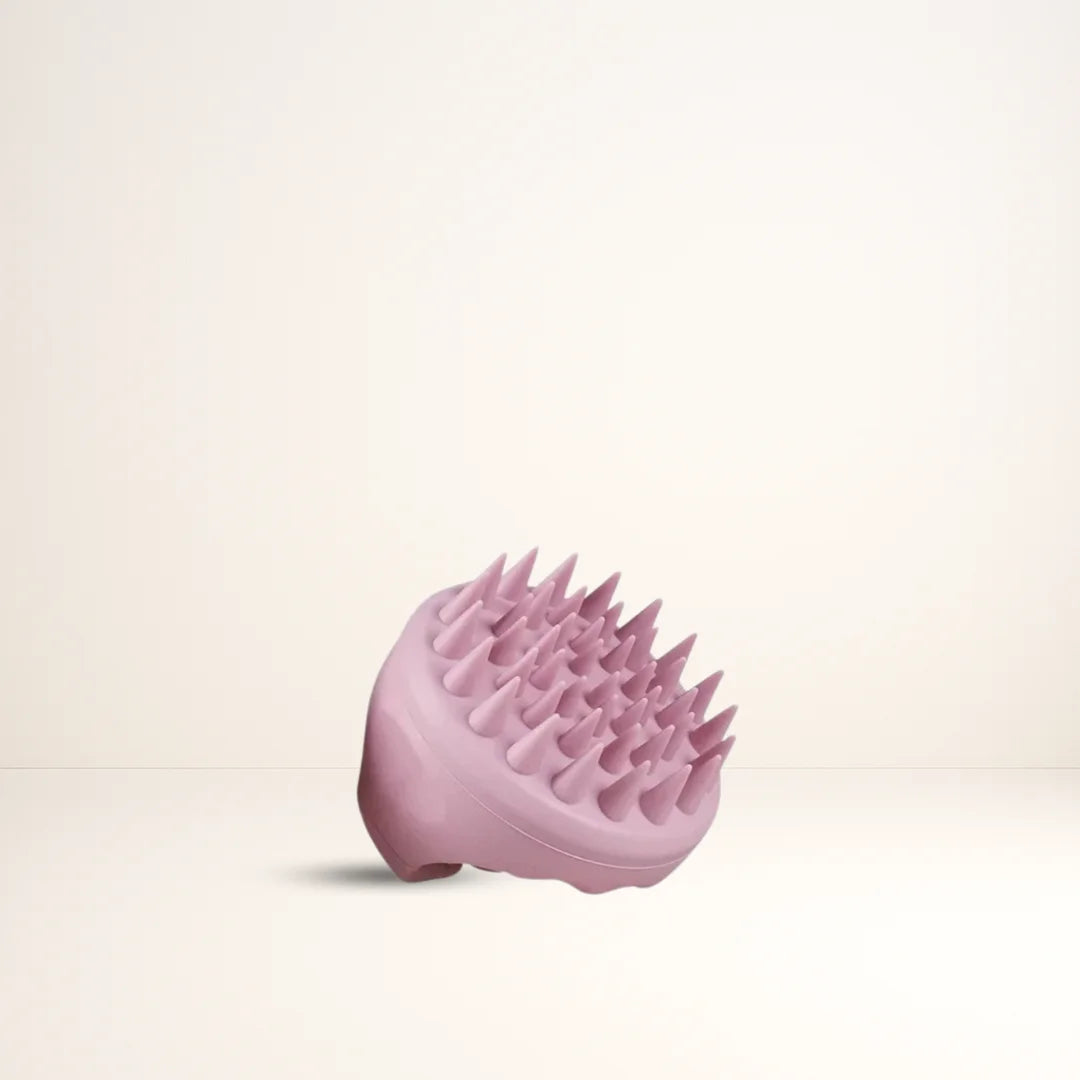
Image via winksbeaute
Oily scalp (any hair type): If you're dealing with excess sebum on top of product buildup, you may do well with a scrub specifically formulated for oily-prone scalps. The Kerastase Fusio Scrub Energizing Scrub Oily Prone Scalp from Beautyvice is exactly that — built for scalps that overproduce oil and can handle a more active formula every 7 days.

Image via Beautyvice
Colour-treated hair: The scalp itself isn't colour-treated, but the lengths are, and over-scrubbing causes water to travel down strands repeatedly, accelerating fade. Stick to once every 14 days minimum, and always apply a pre-wash oil or conditioner on the lengths before you scrub. The Purifying Pre-Wash Scalp Scrub from Moroccanoil is used before shampoo, which is the right placement — it clears the scalp without the scrub ever needing to touch your mid-lengths or ends.

Image via Moroccanoil
Reading Your Scalp's Signals: Signs You're Over-Exfoliating or Under-Exfoliating
Your scalp will tell you if your cadence is off. The problem is the signals for both over- and under-exfoliating can look similar at first — which is why people often double down when they should dial back.
Signs you're over-exfoliating:
- Scalp feels tight or itchy within a day or two of scrubbing
- Increased greasiness at the roots (barrier disruption triggers more sebum)
- Redness, tenderness, or small bumps at the hairline
- Hair feels dry or brittle from roots down shortly after washing
Signs you're under-exfoliating:
- Persistent flakiness that doesn't respond to anti-dandruff shampoo
- Dull, flat hair that feels heavy even after washing
- Treatments (masks, serums, bond builders) seem to sit on top rather than absorb
- Scalp feels "congested" — not dirty exactly, but never quite clean
The Drunk Elephant T.L.C. Happi Scalp Scrub is a recognisable option across several retailers for good reason — it combines AHAs and physical exfoliants in a way that suits scalps reacting to both buildup and sensitivity. You can find it through Be in the Pink or pick up the full size from Feelforever21. If you want to test your scalp's tolerance before committing to a larger bottle, the Happi Scalp Scrub mini from Chef's Closet is a low-commitment way to check.

Image via Be in the Pink

Image via Feelforever21

Image via Chef's Closet
There is also a second full-size variant of the Drunk Elephant Happi Scalp Scrub available at simplehealthyessentials and a newer version at the same retailer listed as T.L.C. Happi Scalp™ Scrub Healthy Supercharged Stable.

Image via simplehealthyessentials

Image via simplehealthyessentials
How to Work a Scalp Scrub Into Your Existing Shampoo and Treatment Routine
Placement matters. A scalp scrub is almost always a pre-shampoo or in-shampoo step — not something that goes on after conditioning. If you apply it post-condition, you're working against a coat of slip and emollient, which reduces the scrub's contact with the scalp skin entirely.
The cleanest routine placement: scrub on dry or damp scalp before you wet your hair fully, massage for two to three minutes, then rinse and shampoo as normal. Some scrubs (particularly those with surfactants built in) can act as the shampoo themselves — check the label. If you're also using bond-building treatments for heat-damaged hair, the scalp scrub should come first: a clear follicle environment helps treatments absorb more efficiently into the lengths that follow.
If your current routine involves heavy scalp serums or topical treatments for hair growth, give yourself a scrub day every week or 10 days specifically to prevent those products from building up at the follicle opening. A primer-and-foundation analogy holds: the base surface determines how well the next layer sits.
For a deeper look at how product layering on the scalp affects treatment performance, the MyKeshou guide on scalp scrubs for product buildup walks through the ingredient side in more detail — useful reading alongside this cadence guide.
Adjusting Your Scalp Scrub Schedule Through Seasonal Changes and Styling Habit Shifts
Your scalp's behaviour is not static. Humidity, central heating, increased hat-wearing in winter, and heavier styling products in summer all shift your buildup rate — which means your scrub frequency should shift too.
Summer: Higher humidity and sweat increase scalp activity. If you use dry shampoo more, or layer leave-in SPF sprays close to the roots, bump up your frequency by one session per month and reassess. Hot yoga, swimming, or outdoor workouts multiple times a week? You may need to
More beauty guides
For more on clearing buildup at the follicle, read the scalp scrubs for product buildup guide. If you're also managing dryness between wash days, the scalp care routine overview covers serums and oils that layer well after exfoliating. You can also browse the full hair care collection for curated scalp treatment picks.